

Nutrition and Supplements: 7 Key Nutrients That May Support Brain Resilience and Recovery from Concussion and Traumatic Brain Injury

Updated: Apr 21
A focused overview of seven nutritional compounds found in food and supplements that may support brain resilience prior to and recovery following head injury, concussion and traumatic brain injury—drawing and expanding on insights from Dr. Andy Galpin, PhD.
Traumatic brain injury (TBI) research, especially for mild cases, remains relatively young compared to other fields. Heightened public and governmental awareness grew in the 2000s alongside scientific focus on 'invisible wounds' from Iraq/Afghanistan veterans—TBIs manifesting as behavioral, cognitive, mental health symptoms, physical issues, or persistent daily struggles. With recent discoveries of CTE post-mortem from individuals within high-standing sports leagues like the NFL and Boxing, head trauma is an ever-evolving and concerning field. However, standards of care continue to shift in positive directions as new evidence constantly emerges. Current consensus and overall clinical progress seem to support a personalized, whole-person approach — addressing both brain and body, optimizing and adjusting care in real-time to hopefully achieve outcomes in long-term brain-body function.
Modern clinical approaches and ever-growing research emphasize carefully guided, individualized but comprehensive brain and body activities, alongside targeted therapies to support more complete healing, reduce the risk of persistent post-concussion syndrome, and help restore cognitive and physical balance and performance. This is especially important considering recent scientific panels have offered the idea that rest-only protocols may be a contributing factor to persistent post-concussion symptoms such as brain fog, fatigue, mood changes, and declines in processing speed, reaction time, and working memory, significantly impacting daily life.
At Better Brain & Body, this perspective informs our current proactive model of care, which blends functional neuro-diagnostics with non-invasive therapies. While the foundation remains a customized neurological treatment plan, complementary strategies, particularly nutrition, also play a significant, often under-appreciated role in brain resilience and recovery.
Insights from Dr. Andy Galpin, including his podcast episode “Nutrition to Support Brain Health & Offset Brain Injuries,” help inform this broader perspective and the writing in our blog post today. Dr. Galpin discusses research-backed nutrients and supplementation strategies that may be especially relevant for individuals at higher risk of head injury—such as older adults, military personnel, first responders, construction workers, and contact-sport athletes. In this article, we connect those insights to our clinical approach at Better Brain & Body, alongside supporting research and referenced sources.
Skip Ahead:
Please note: This article is for informational and educational purposes only and is not medical advice. We do not prescribe medications or pharmaceuticals at Better Brain & Body. Always consult your primary healthcare provider before starting or changing any supplement regimen.
Why "Rest Only" Isn't Enough, as we see it at Better Brain & Body

In a previous blog post, "Proactive TBI and Concussion Treatment," we highlighted and discussed the various names and definitions of TBIs and concussions. We established that a concussion is classified as a mild TBI, or a head injury with no (or little, 30 minutes or less) loss of consciousness. We also discussed that the predominant "rest only" post-concussion strategy is outdated and can do more harm than good. While short‑term rest may be essential immediately following a head injury, using it as a long‑term, stand‑alone approach is antiquated and often unhelpful. It may even contribute to worsening persistent post‑concussion symptoms in the long run, as outlined below.
The 5th International Consensus Conference on Concussion in Sport recommended in 2017 that athlete-specific head injuries and return to play protocols be updated. It suggested that incorporating light physical activity 24-48 hours after injury without worsening symptoms is ideal. The University of Michigan also wrote guidelines on how best to return to physical activity post-head injury, noting the following:
Start by walking at 3.3 MPH on a treadmill and gradually increasing the incline until symptoms appear (your exercise threshold)
Neuromodulation and brain training games can further stimulate and re-engage the brain's cognitive and mental processes post-head injury, supporting neuroplasticity-driven rewiring and healing.
While early targeted recovery and brain-body activation are important, equally important is the "right" kind of rest. 8-12 hours of sleep a night, especially during an ongoing targeted and proactive rehabilitation plan is crucial if possible. While many sports-based organizations, leagues, and teams have updated concussion protocols to recent recommendations, many traditional emergency care clinics, medical schools, and regular primary care clinics still rely on outdated rest-only approaches.
That’s why we created this blog—to share the latest evidence-based nutrition and supplementation strategies for traumatic brain injury, as outlined by Dr. Andy Galpin, supporting recovery and strengthening the brain’s resilience to trauma, further instilling the need for comprehensive care that covers many bases to proper and optimized recovery.
Why Nutrition and Supplementation Matters For Brain Injuries
As Dr. Galpin emphasizes in his podcast episode, most of the compounds discussed below are naturally found in food. Still, it can be difficult—or impractical—to reach therapeutic levels through diet alone, especially in the context of healing post-head injury. For example, a typical 3 ounce serving size of Salmon has roughly 0.32-0.45 grams of creatine. For brain health or brain injury dosages between 10-25 grams are cited as potentially beneficial. So you can begin to see how supplementation can make more sense, especially when we're working with patients during the day during their treatment plans. Supplements can be a necessary brain boost to achieve objective quantities of nutrients. Incorporating a wide variety of healthy foods is still necessary for general health and wellness.
Maintaining adequate or "topped-off" nutrient levels can be a powerful antidote/essential baseline for brain health or recovery in the event of a future head injury--and typically this involves the supplementation of additional compounds. What dosages or compounds one may consider should be up to them and their doctor. Quick Tip*: Blood labs provide unique, data-driven insights into how effective your supplementation/ targeted diet plan may be. Supplements containing these nutrients can offer a more precise way to achieve research‑supported doses that may support persistent post-concussion symptoms and support pre-injury brain-resilience.
In Dr. Galpin’s podcast, he ranks nutrients based on their strength of evidence (SOE). Since he’s meticulous about his classification process, we’ve linked the episode at the top of this blog post so you can hear directly how he defines his criteria for each of the below supplements:
Click the arrows next to each nutrient or supplement below to learn how they may support recovery and strengthen brain resilience after head injuries or other brain-trauma related event.
Creatine for Concussions
Creatine Monohydrate is commonly used in strength and conditioning circles to support muscle size and strength, but its benefits extend far beyond the weight room. It plays a key role in cellular energy production and has been studied in contexts such as athletic performance, TBI, concussion, post-viral infection, cognitive function, sleep deprivation, memory improvement, Major Depression, bone-loss mitigation in women undergoing menopause, and the support of certain neurological conditions such as Alzheimer's.
In the episode, Dr. Galpin discusses Second Impact Syndrome (SIS)—a situation where someone sustains a second head injury before the first has healed. When creatine levels in the brain are low, an additional brain impact may carry a higher risk of damage. This raises the possibility that maintaining topped-off creatine levels might help protect the brain or reduce damage if an injury occurs.
A preliminary study shows that creatine supplementation may reduce damage to the cerebral cortex, a brain area responsible for thinking, language, memory, and more. Scientists do not fully understand all the mechanisms. Still, one idea is that creatine helps stabilize and protect mitochondria, the energy "powerhouses" of cells, during and after injury, which produce ATP. This essential compound governs your body's daily functions. We discuss ATP at length in our blog post on red light therapy, an incredibly potent non-invasive stimulus for overall physical and brain health.
Dr. Galpin also notes research in children ages 2–18 with severe TBI. In a pilot study, children received creatine supplementation (0.4 grams per kilogram of body weight) within four hours of injury and continued for six months. As he notes, this is a lot of creatine, impractical to obtain with food. Still, at this dosage, researchers observed improvements in the durations of post‑traumatic amnesia, intubation, and ICU stay, along with reductions in fatigue, headache, vertigo, and dizziness, with improvements in language articulation and processing (Sakellaris et al, 2007).
Creatine has been studied across a wide range of populations—including children, individuals at risk for or already diagnosed with neurological disease or neurodegenerative disorders, and those with multiple sclerosis. Creatine is at the top of our list because it is often overlooked as simply a compound for bodybuilders, but as you now understand, it offers much more than that. In fact, we could have dedicated a whole blog post to the benefits of creatine on brain health. While studies to date remain promising, more research is needed to clarify the existing evidence on the benefits of creatine.
Creatine Dosage and Food Sources for Brain Health Post Injury
For all dosages mentioned in this blog post, it is important to keep in mind we are discussing dosages in the context of brain injury recovery and pre-injury supplemental protection. General guideline dosages for overall health intake will not be mentioned here but can be found via a quick google search or chat with your healthcare provider.
Dr. Galpin mentions in the episode that while creatine is found in food, it is extremely impractical to try to obtain a daily serving from food alone--which would involve eating "high-calorie meals" that otherwise would be best derived from a powdered creatine supplement taken over the course of the day in small doses or one large dose.
Potential Supplemental Brain-Based Dosage: 10-25 grams/day
Food Sources with Creatine: Beef, Cod, Salmon, spinach, and other meats
Listen to this Timestamped Segment: 00:46:07 – 00:52:14
Omega 3 Benefits for the Brain: Fish Oil
DHA and EPA are omega‑3 fatty acids that are highly relevant to brain health:
DHA makes up a substantial portion of the brain’s structural fat and is essential for normal neurological function, brain structure, and long‑term brain health.
EPA is more involved in vascular health, inflammation regulation, and nutrient and oxygen delivery to the brain.
Omega‑3s are among the most studied nutrients in the context of TBI. Evidence suggests they may:
Support both pre‑injury resilience and post‑injury recovery
Improve blood flow to the brain
Enhance the strength and expansion of the arteries (one reason omega‑3s are also regarded as “heart‑healthy”)
Help modulate post‑injury inflammation and oxidative stress
Support learning, memory, and overall cognitive function
Protect neurons from cell death
Promote neurogenesis (new neuron generation)
Doses in the range of about 2–4 grams per day of combined EPA and DHA are often

discussed in the context of brain‑related benefits. This dose of 2-4 grams per day often exceeds the amount easily obtained through the typical Western diet, so many people may benefit from supplementation. While it is possible to reach the generally recommended levels through food (for example, fatty fish like salmon), it can be difficult to do so consistently, especially with children. However, Omega-3 supplementation is available as a liquid in addition to pill form, as well as vegan algal oil forms, making administration easier and more ethically aligned for parents who wish to add this supplement to their child's health. If their child participates in contact sports, they may consider asking their doctor for supplement recommendations. *Quick Tip: Many omega 3 supplements on the market today have low levels of actual EPA & DHA in them. It is important to find reputable supplements with higher doses of these compounds when addressing head injury healing. Consumer Lab is a great governing source that independently tests and rates high-quality supplements and may be a resource for you to find the proper supplement.
Omega-3 Dosages & Food Sources for Brain Health Post Injury
Potential Supplemental Brain-Based Dosage: 2-4 grams/day
Food Sources with Omega-3: Fish, nuts, leafy greens, flax and chia seeds, walnuts.
Listen to this Timestamped Segment: 59:30 – 01:03:38
Vitamin B2 (Riboflavin)
Riboflavin or "B2" plays several important roles related to brain health and recovery:
It is necessary for proper utilization of DHA omega‑3s.
It contributes to the production of glutathione, one of the body’s key antioxidants.
It supports mitochondrial function and can influence inflammation.
Dr. Galpin reported on one study in his podcast episode which showed that higher‑dose riboflavin (for example, 400 mg once or twice daily) given after a sports related concussion may shorten recovery time.
Similarly, Vitamin B2 (riboflavin) has shown significant positive impacts on patients with migraine headaches. Migraines are commonly a persistent post-concussion symptom that head injury patients struggle with. An early 1998 study showed 400mg of riboflavin daily for three months helped reduce "migraine attack frequency" and "headache days" (Schoenen, et. al). While research is ongoing, Vitamin B2 is considered a “low‑risk, potentially high‑reward” option in the right context under doctor supervision. However, it may cause mild stomach disruption when taken on an empty stomach. With mild energy inducing effects, it may be best taken earlier in the day. As Dr. Galpin mentions, most multivitamins on the market do not contain enough riboflavin to reach higher doses used in research trials for brain health and may be additionally supplemented to achieve the desired dosages. Again, Consumer Lab may serve as a resource to find high quality, ingredient regulated products.
Vitamin B2 (Riboflavin) Dosages & Food Sources for Brain Health Post Injury
Potential Supplemental Brain-Based Dosage: 400-800mg/day
Food Sources: Beef Liver, fortified cereal, green veggies, eggs
Listen to this Timestamped Segment: 01:07:49 – 01:10:17
Choline and Brain Function
Choline is a nutrient crucial for brain structure and communication, as Dr. Galpin outlines in this episode.
Choline helps build and maintain healthy cell membranes and may support the integrity of the blood‑brain barrier.
Choline is the main building block for acetylcholine, a neurotransmitter that supports attention, learning, memory, and muscle activation.
Choline supports pathways that help the body make glutathione, a powerful antioxidant that protects against toxins and oxidative stress.
Studies thus far suggest choline may reduce blood‑brain barrier breakdown and brain swelling after brain injury. Choline supplementation may improve "recognition memory" in mild TBI with 1g per day. However, as Dr. Galpin notes, establishing a baseline of 500mg of choline can be achieved via diet from food—eggs, turkey, dairy,

and cruciferous vegetables. In the context of TBI support, adding a choline supplement will help a patient reach their target 1-2 grams that may be associated with further post-concussion improvements. Choline supplements are widely available in the form of Alpha-GPC on the market.
Choline Dosages & Food Sources for Brain Health Post Injury
Potential Supplemental Brain-Based Dosage: 1-2 grams/day
Food Sources: Eggs, Meat, Fish, beef and chicken liver
Listen to this Timestamped Segment: 01:17:29 – 01:20:22
Branched‑Chain Amino Acids (BCAAs) and Brain Health
While there are a total of 20 amino acids in general, there are three essential BCAAs including leucine, isoleucine, and valine, which play important roles in brain function.
BCAA levels seem to be associated with TBI severity in some research. Greater drops in circulating BCAAs are associated with more severe symptoms.
BCAAs influence the balance of neurotransmitters by offering nitrogen to help form glutamate and GABA, both of which are involved in TBI‑related processes.
Studies have found that BCAA supplementation can:
Reduce sleep disturbances and improve sleep latency (time it takes to fall asleep) in individuals with chronic TBI.
Decrease cognitive deficits and concussion symptoms.
Support neurotransmitter function post‑injury.
In one trial, higher BCAA doses (54 grams per day post-head injury) were associated with decreased concussion symptoms and faster recovery, with no major adverse effects reported. A key point Dr. Galpin emphasizes is that with adequate protein intake, (which he defines as 1g of protein per 1 pound of body weight ((male and female)), healthy individuals do not necessarily need extra BCAA supplementation. However, when a head injury is involved, incorporating BCAA supplementation of 54g is strongly worth considering for post-head injury symptom improvement. Also mentioned in Dr. Galpin's podcast episode are the positive effects observed with intake of BCAAs on insomnia and sleep disruption in veterans with head injuries. It should be noted that an emerging treatment for sleep deprivation is overloading creatine at 10-20g the morning of a bad or non-existent night of sleep. As with all supplements, dosing and duration should be individualized and medically supervised.
BCAA Dosages & Food Sources for Brain Health Post Injury
Potential Supplemental Brain-Based Dosage: 54 grams/day
Food Sources: Animal proteins like chicken, beef, fish, yoghurt, cheese, soybeans.
Listen to this Timestamped Segment: 01:23:56 – 01:26:54
Magnesium for Concussion
Magnesium is one of the most important minerals in the body.
It plays roles in blood sugar regulation, blood pressure, muscle and nerve function, and energy metabolism.
Deficiencies have been linked to conditions such as type 2 diabetes, headaches, migraines, heart disease, metabolic syndrome, hypertension, anxiety, and more.
Magnesium is reported to have an additional benefit on sleep and is a top-of-the-line compound for athletes and athletic performance.
According to a study in The American Journal of Emergency Medicine, authors note that magnesium levels often drop after a TBI, and the degree of this drop may correlate with injury severity and symptoms (Standiford, 2021). They also note that incorporating magnesium supplementation into emergency care department protocols for TBI patients recently admitted should be seriously considered. The previously mentioned study utilized a dosage of 400 mg twice daily, demonstrating the possibility it can reduce post‑concussion symptom severity within 48 hours.
Magnesium is generally very safe, with the most common side effect being mild stomach aches at higher intakes. While there are numerous forms of magnesium, there does not appear to be a major difference in TBI‑specific outcomes with different forms of magnesium used, as Dr. Galpin notes. While magnesium is present in foods like nuts, seeds, and leafy greens, hitting higher therapeutic doses through diet alone can be challenging.
Magnesium Dosages & Food Sources for Brain Health Post Injury
Potential Supplemental Brain-Based Dosage: 400mg/day
Food Sources: Pumpkin and chia seeds, almonds, spinach.
For context: 200grams (1.5 cups) of roasted pumpkin seeds = daily dose of roughly 400mg of magnesium
Listen to this Timestamped Segment: 01:30:12 – 01:32:01
Blueberry Anthocyanins
Anthocyanins are plant compounds found in berries and other deeply colored fruits and vegetables. Blueberries are particularly rich in anthocyanins and may help support numerous human functions:
Blueberry extracts and concentrates have been shown to support BDNF (brain‑derived neurotrophic factor), which is involved in neuroplasticity, learning, and memory.
Research suggests they may help protect against oxidative stress and support cognitive performance, attention, and executive function.
Most existing studies focus on general brain health, aging, and cognition rather than TBI specifically. However, because oxidative stress and inflammation are central features of brain injury, anthocyanins are considered a low‑risk, potentially beneficial addition to a brain‑supportive nutrition plan. Blueberry powders, extracts, supplements or simply consuming generous portions of whole blueberries can all be practical options. Dr. Galpin emphasizes that out of the supplements discussed, anthocyanins are the easiest to obtain through consumption of one cup of blueberries.
Anthocyanins Dosages & Food Sources for Brain Health Post Injury
Potential Supplemental Brain-Based Dosage: 100grams or 1.5 cups of blueberries
Of all the nutritional compounds, this will be easiest to obtain from food
Food Sources: Blueberries especially, strawberries and cranberries very likely,
Listen to this Timestamped Segment: 01:34:20 – 01:36:09
Caffeine for Head Injury? Think Again
As stated by Dr. Galpin at 1:36:18 of the podcast episode, "The only thing I am aware of that's actually detrimental for brain healing is caffeine. And there's enough evidence here that this is probably pretty bad news when trying to heal from a brain injury."
One important compound to likely steer clear of is caffeine, post head injury or during recovery. Caffeine in healthy populations generally can contribute to:
Constricted blood vessels and reduce brain blood flow
Worse sleep quality, which is crucial for brain recovery
Exacerbated emotional symptoms and somatic complaints (headaches or anxiety) in susceptible individuals
For those recovering from a brain injury, risking the above with caffeine intake may be unwise for optimal healing outcomes.
Listen to this Timestamped Segment: 01:36:09 – 01:37:42
Caffeine may appear to some to be an answer to low energy post-concussion, but this is far from a thoughtful approach. In healthy populations, caffeine may help limit sleepiness or fatigue, however, post-concussion brains are far more vulnerable to the impacts caffeine may impose on a healing brain. Many people report severe headaches, new and previously experienced, when consuming caffeine post head injury. Similarly, while the brain may respond well to active recovery protocols during the day, it needs ample rest at night to help rewire and positively adapt in the face of injury. The phrase work hard, sleep hard comes into play here.
Lastly, many patients recovering from concussion or other head injuries—and those at higher risk—often have underlying conditions that can be aggravated by caffeine. Conditions such as POTS, other forms of Dysautonomia, migraines, insomnia, and anxiety may become more symptomatic during this period. When caffeine intake habits are continued, patients may experience worsening of downstream symptoms, diluting the overall recovery process.
Not Caffeine, Ketones: Bonus Supplement
Building on the discussion around caffeine and energy utilization, it’s important to distinguish true metabolic function from temporary caffeine stimulation. In this context, metabolic function refers to the brain’s ability to convert fuel sources into usable cellular energy (ATP) to sustain brain activity and repair mechanisms. While caffeine may temporarily increase alertness, it does not address the underlying energy deficit that often follows a concussion or head injury—and in some cases, may further stress an already dysregulated nervous system. However, ketones may support the metabolic approach (energy utilization) to recovery, focusing on how the brain is actually producing and using energy rather than simply masking fatigue with caffeine.
This is where ketones become clinically relevant. After a head injury, the brain’s ability to efficiently use glucose as energy can be compromised, creating a mismatch between energy demand and supply. Glucose is the brain’s primary form of energy. Other forms of energy include carbohydrates (carbs), fat, and sometimes protein--And Ketones—particularly beta-hydroxybutyrate—offer an alternative fuel source that the brain can readily use, even when glucose metabolism is impaired. Research published by Savannah Anne Daines in frontiers in Neurology discusses the benefits and limitations of possible ketone supplementation. Overall, ketones have been observed having positive benefits on mitochondrial function, reductions of oxidative stress, and greater neuronal stability and adaptability.
Ketones also complement other key compounds on this list like omega-3s, creatine, and magnesium by directly addressing the brain’s immediate energy needs. Rather than relying on temporary stimulation with caffeine, this approach supports more consistent energy production in the cells—helping bridge the gap between impaired metabolism (energy usage) and the demands of recovery, and reinforcing a more resilient healing process.
While various companies exist offering supplements that support ketone production, the external delivery of ketones to the body requires more studies. Some companies may directly include ketones in their ingredients or they may include a precursor to ketones. Here at Better Brain & Body, we're very interested on the new data for ketones and their benefit for brain health. We'd be interested in what Dr. Galpin's take on ketones for head injuries would be!
Why Basic Nutrition May Not be Enough for Brain Recovery
In his podcast episode, Dr. Galpin thoughtfully and factually addresses the dosage realities for each nutritional compound. While nutrition, diet, and food quality are fundamental to our general health and well-being, when it comes to brain injuries or related-trauma, achieving greater (doctor-advised) dosages through supplementation may be more practical than food intake alone.
As a non-invasive functional neurology clinic, Better Brain & Body focuses on advanced neuro-diagnostic evaluation and targeted, non-invasive therapies—without the use of medications, injections, or uncomfortable procedures. While whole foods can support general nutritional adequacy, standard public health guidelines are generally designed to prevent deficiency—not to optimize brain performance, resilience, or recovery.
This distinction matters. The goal here is not simply to maintain a minimum baseline, but to sustain “topped-off” nutrient levels that align more closely with research on neurological performance and recovery. In the context of concussion, traumatic brain injury (TBI), or even proactive risk management, strategic supplementation at evidence/doctor informed dosages—paired with a nutrient-dense diet—can better support inflammation control, cellular repair, neurological resiliency, and overall brain function and repair.

However, another important distinction to make, as Dr. Galpin does, is that supplements/nutrition is not going to heal any conditions independently. He is very careful to mention that nutrition/supplementation is a great "supplemental" add-on to a comprehensive, multi faceted approach. In addition to our personalized treatment plans, we strongly recommend patients seek a multi-tactic approach, one that may also involve enhanced supplementation of brain-related nutrients, physical therapy, brain training, functional neurology, vestibular rehabilitation and optimization therapies such as GyroStim (see image) and other therapies such as mild HBOT.
About Dr. Andy Galpin
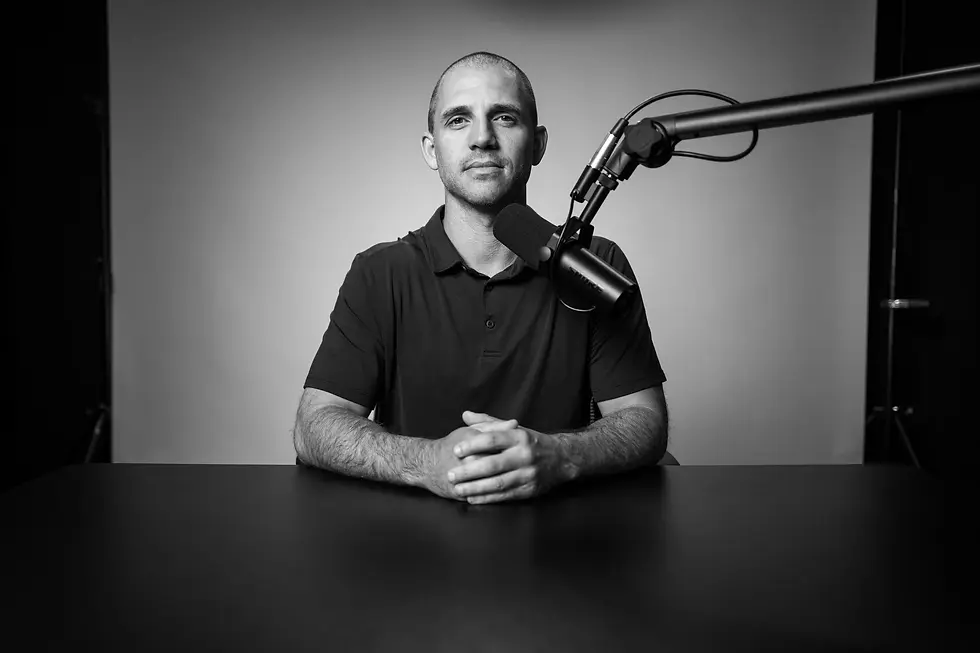
Dr. Andy Galpin is an exercise physiologist at Cal State Fullerton and a leading sports and human performance scientist. He has worked with numerous elite athletes, including gold medal Olympic athletes and professionals from the NFL, MLB, PGA, and other professional sports and athletes.
His work bridges research, teaching, and real‑world application, including the intersection of performance, recovery, and brain health. In addition to his own podcast, Perform, he is a frequent guest on various other podcasts including Huberman Lab, where he participated in a 6-part episode series on all aspects of fitness.
Next Steps if You’ve Had a Head Injury
If you or a loved one has experienced a head or brain injury in Charlotte, NC or surrounding areas--and have already received emergency medical care, Better Brain & Body may be able to help you navigate the next phase of recovery. You can meet directly with Dr. Brown for a 30-minute, $75 in-person strategy consultation to discuss your concerns and outline a personalized plan. You will be prompted to pay the $75 consultation fee while scheduling, and it will be applied toward your exam or subsequent appointment. Call or text us at 704-752-8100 if you have any questions.
Podcast Episode Time Stamps:
Nutrient / Compound | Time Stamp Segment: Dosage Ranges + Food Sources (start–end) | Time Stamp Label |
1. Creatine Monohydrate | “Creatine Doses, Frequency, Adverse Issues; Food Sources” | |
2. Omega-3 (DHA & EPA) | “EPA & DHA Dosage, Timing, Adverse Issues; Food Sources; Omega-3 Index” | |
3. Vitamin B2 (riboflavin) | “Riboflavin Dosages, Timing; Food Sources” | |
4. Choline | “Choline Supplements & Food Sources, Alpha GPC, Dosage” | |
5. Branched‑chain amino acids (BCAAs) | “BCAAs Dosage, Whole Food Sources” | |
6. Magnesium | “Magnesium Dosage, Timing, Supplements, Adverse Issue; Food Sources” | |
7. Blueberry Anthocyanins | “Anthocyanins Dosage; Food Sources” | |
& Caffeine | “Caffeine & Brain Injury Recovery” |
Sources:
Aniruddha, T. J., Pillai, S., Devi, B. I., Sampath, S., & Chandramouli, B. A. (2009). Role of citicoline in the management of mild head injury. The Indian Journal of Neurotrauma, 6(1), 49–52. https://doi.org/10.1016/S0973-0508(09)80026-9
BBC Future. (2025, May 23). The surprising health benefits of taking creatine powder. https://www.bbc.com/future/article/20250523-the-surprising-health-benefits-of-taking-creatine-powder
Corwin, D. J., Myers, S. R., Arbogast, K. B., Lim, M. M., Elliott, J. E., Metzger, K. B., LeRoux, P., Elkind, J., Metheny, H., Berg, J., Pettijohn, K., Master, C. L., Kirschen, M. P., & Cohen, A. S. (2024). Head injury treatment with healthy and advanced dietary supplements: A pilot randomized controlled trial of the tolerability, safety, and efficacy of branched chain amino acids in the treatment of concussion in adolescents and young adults. Journal of Neurotrauma, 41(11–12), 1299–1309. https://doi.org/10.1089/neu.2023.0433
Daines S. A. (2021). The Therapeutic Potential and Limitations of Ketones in Traumatic Brain Injury. Frontiers in neurology, 12, 723148. https://doi.org/10.3389/fneur.2021.723148
Dean, A. P. J., Arikan, G., Opitz, B., & Sterr, A. (2017). Potential for use of creatine supplementation following mild traumatic brain injury. Concussion, 2(2), CNC34. https://doi.org/10.2217/cnc-2016-0016
Dixon, C. E., Ma, X., & Marion, D. W. (1997). Effects of CDP-choline treatment on neurobehavioral deficits after TBI and on hippocampal and neocortical acetylcholine release. Journal of Neurotrauma, 14(3), 161–169. https://doi.org/10.1089/neu.1997.14.161
Finnegan, E., Daly, E., Pearce, A. J., & Ryan, L. (2022). Nutritional interventions to support acute mTBI recovery. Frontiers in Nutrition, 9, 977728. https://doi.org/10.3389/fnut.2022.977728
Galpin, A. (Host). (2024, August 14). Nutrition to support brain health & offset brain injuries [Video]. YouTube. https://www.youtube.com/watch?v=np82Y6aEW0E
Gatorade Sports Science Institute. (n.d.). Creatine supplementation: New insights and perspectives on bone and brain health. Retrieved February 11, 2026, from https://www.gssiweb.org/sports-science-exchange/article
Institute of Medicine (US) Committee on Nutrition, Trauma, and the Brain. (2011). Nutrition and traumatic brain injury: Improving acute and subacute health outcomes in military personnel (J. Erdman, M. Oria, & L. Pillsbury, Eds.). National Academies Press. https://www.ncbi.nlm.nih.gov/books/NBK209321/
Jacotte-Simancas, A., Costa-Miserachs, D., Coll-Andreu, M., Torras-Garcia, M., Borlongan, C. V., & Portell-Cortés, I. (2015). Effects of voluntary physical exercise, citicoline, and combined treatment on object recognition memory, neurogenesis, and neuroprotection after traumatic brain injury in rats. Journal of Neurotrauma, 32(10), 739–751. https://doi.org/10.1089/neu.2014.3502
Kent, J. B., Diduch, B. K., Statuta, S. M., Pugh, K., & MacKnight, J. M. (2023). The impact of riboflavin on the duration of sport-related concussion: A randomized placebo-controlled trial. Clinical Journal of Sport Medicine. https://doi.org/10.1177/20597002231153707
Lempke, L. B., Teel, E. F., Lynall, R. C., Hoffman, N. L., Buckley, T. A., Eckner, J. T., McCrea, M. A., McAllister, T. W., Broglio, S. P., Schmidt, J. D., Kelly, L. A., Ortega, J. D., Master, C. L., Port, N., Giza, C. C., Kaminski, T. W., Feigenbaum, L. A., Collins, M., Chrisman, S. P. O., & CARE Consortium Investigators. (2023). Early exercise is associated with faster concussion recovery among collegiate athletes: Findings from the NCAA-DoD CARE Consortium. Sports Medicine, 53(10), 1987–1999. https://doi.org/10.1007/s40279-023-01861-w
Marcussen, M. H. (2026). Creatine monohydrate for mild traumatic brain injury: A randomised controlled pilot study (Clinical Trial Registration No. NCT06644131). ClinicalTrials.gov. https://clinicaltrials.gov/study/NCT06644131
McCrory, P., Meeuwisse, W., Dvorak, J., et al. (2017). Consensus statement on concussion in sport: The 5th international conference on concussion in sport held in Berlin, October 2016. British Journal of Sports Medicine, 51, 838–847. https://bjsm.bmj.com/content/51/11/838
Patel, H., Polam, S., & Joseph, R. (n.d.). Overview of treatment options for mild traumatic brain injury: A literature review. Cureus, 16(4), e59021. https://doi.org/10.7759/cureus.59021
Prokopidis, K., Giannos, P., Triantafyllidis, K. K., Kechagias, K. S., Forbes, S. C., & Candow, D. G. (2023). Effects of creatine supplementation on memory in healthy individuals: A systematic review and meta-analysis of randomized controlled trials. Nutrition Reviews, 81(4), 416–427. https://doi.org/10.1093/nutrit/nuac064
Sakellaris, G., Nasis, G., Kotsiou, M., Tamiolaki, M., Charissis, G., & Evangeliou, A. (2008). Prevention of traumatic headache, dizziness and fatigue with creatine administration: A pilot study. Acta Paediatrica, 97(1), 31–34. https://doi.org/10.1111/j.1651-2227.2007.00529.x
Schoenen, J., Jacquy, J., & Lenaerts, M. (n.d.). Effectiveness of high-dose riboflavin in migraine prophylaxis: A randomized controlled trial. Neurology. https://doi.org/10.1212/WNL.50.2.466
Secades, J. J., Trimmel, H., Salazar, B., & González, J. A. (2023). Citicoline for the management of patients with traumatic brain injury in the acute phase: A systematic review and meta-analysis. Life, 13(2), 369. https://doi.org/10.3390/life13020369
Slankamenac, J., Ranisavljev, M., Todorovic, N., Ostojic, J., Stajer, V., & Ostojic, S. M. (2023). Effects of six-month creatine supplementation on patient- and clinician-reported outcomes, and tissue creatine levels in patients with post-COVID-19 fatigue syndrome. Food Science & Nutrition, 11, 6899–6906. https://doi.org/10.1002/fsn3.3597
Smith-Ryan, A. E., Cabre, H. E., Eckerson, J. M., & Candow, D. G. (2021). Creatine supplementation in women’s health: A lifespan perspective. Nutrients, 13(3), 877. https://doi.org/10.3390/nu13030877
SportingJim. (2016, October 30). Berlin 2016: The 5th international consensus conference on concussion in sport. Clinical Journal of Sport Medicine Blog. https://cjsmblog.com/2016/10/30/berlin-2016-the-5th-international-consensus-conference-on-concussion-in-sport/
Sullivan, P. G., Geiger, J. D., Mattson, M. P., & Scheff, S. W. (2000). Dietary supplement creatine protects against traumatic brain injury. Annals of Neurology, 48(5), 723–729. https://doi.org/10.1002/1531-8249(200011)48:5%3C723::AID-ANA5%3E3.0.CO;2-W
Tseng Pellar, T. P. (2025). The ups and downs of choline supplements. Office for Science and Society. https://www.mcgill.ca/oss/article/medical-student-contributors/ups-and-downs-choline-supplements
University of Kansas Medical Center. (n.d.). Creatine shows potential to boost cognition in Alzheimer’s patients. Retrieved February 11, 2026, from https://www.kumc.edu/about/news/news-archive/creatine-alzheimers-research.html
Zafonte, R. D., Bagiella, E., Ansel, B. M., et al. (2012). Effect of citicoline on functional and cognitive status among patients with traumatic brain injury: Citicoline Brain Injury Treatment Trial (COBRIT). JAMA, 308(19), 1993–2000. https://doi.org/10.1001/jama.2012.13256


Comments